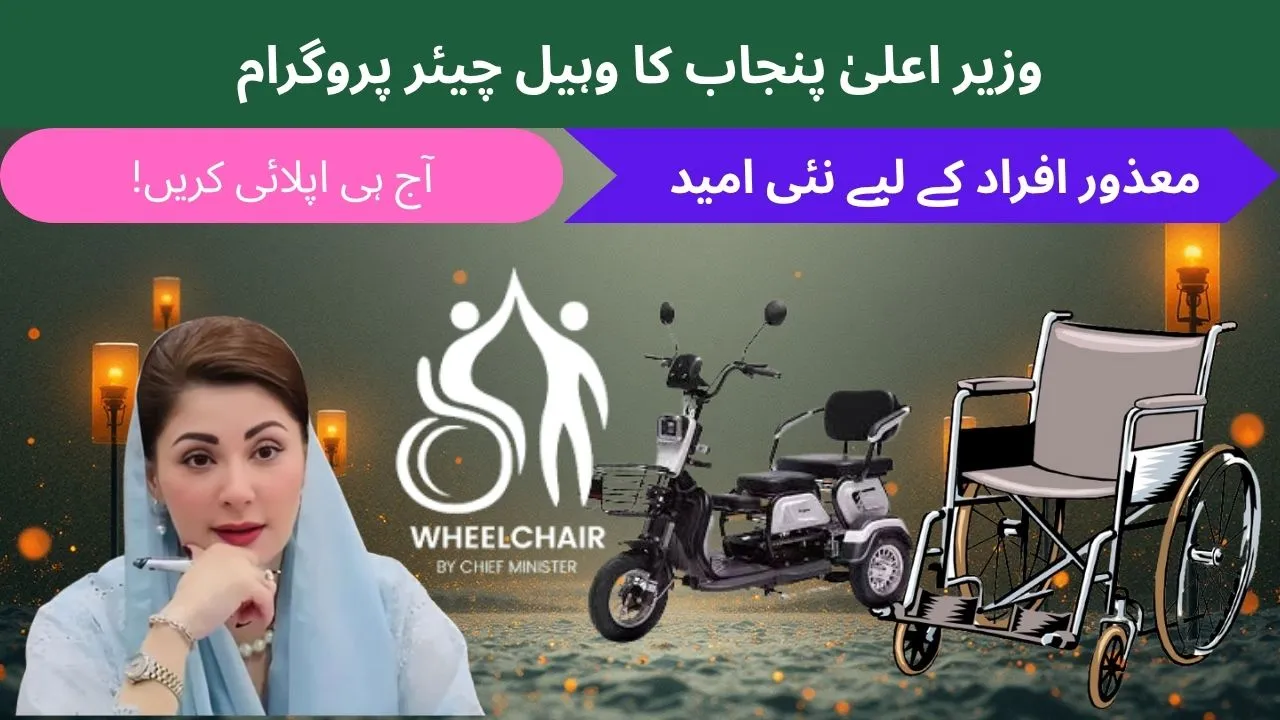
The Government of Punjab continues to expand the Assistive Devices and Wheelchair Program (ADWC) to support persons with disabilities across all 36 districts. The initiative provides free wheelchairs, hearing aids, prosthetics, orthotics, crutches, walkers, and other mobility devices to ensure independence, accessibility, and social inclusion.
Program Objective
The core goal of ADWC is to improve mobility, daily functioning, education access, and employment opportunities for persons with disabilities. The program ensures equal access to assistive technology without financial burden.
What’s New in January 2026?
- Faster online verification through the updated Social Welfare Portal
- District-level delivery centers expanded to 120+ locations
- Introduction of lightweight pediatric wheelchairs
- Availability of digital hearing aids
- Tehsil-level repair & maintenance desks activated
- Mobile assessment camps launched in remote villages
- Partnership with private manufacturers for low-cost prosthetics
- 3D-printed prosthetic fittings initiated in Lahore & Multan centers
Devices Provided
- Manual & electric wheelchairs
- Pediatric wheelchairs
- Digital hearing aids
- Prosthetic legs & arms
- Orthotic braces
- Walkers, crutches, sticks
- Tricycles for special mobility needs
Each device is issued after a medical and functional assessment by specialists.
Eligibility (Updated 2026)
- Punjab resident with valid CNIC or B-Form
- Disability certificate from a recognized Medical Board
- Medical recommendation relevant to the device
- Guardian can apply for minors or mentally challenged individuals
- All genders and age groups included
Application Process
- Apply via Social Welfare Department’s official portal or district office
- Submit CNIC, disability certificate, medical recommendation, and address proof
- Applications are verified digitally
- Approved beneficiaries are notified through SMS
- Devices are delivered via district centers or through door-step delivery (for severe disabilities)
Program Reach
ADWC now covers:
- 36 districts
- Over 210,000 beneficiaries served since launch
- More than 40,000 devices delivered in 2025 alone
The program aims to expand further in 2026 with additional device categories and wider distribution.
Social & Economic Impact
- Improved mobility and independence
- Increased school attendance among children with disabilities
- Reduced financial burden on low-income families
- Enhanced access to jobs and skill training
- Greater social inclusion and community participation
Challenges
- High demand causing delivery delays in some districts
- Limited awareness in rural belts
- Need for more maintenance and repair facilities
- Travel difficulties for assessment in far-flung areas
Recommendations
- Expand mobile medical camps
- Strengthen tehsil repair centers
- Increase awareness campaigns in rural communities
- Improve online tracking for application status
- Partner with NGOs for outreach and support
Why ADWC Matters
The Assistive Devices and Wheelchair Program is a critical part of Punjab’s disability-inclusive development strategy. By offering free assistive devices, the program advances SDGs on health, education, equality, and social protection. It shifts the focus from welfare to empowerment—enabling people to live with dignity and independence.
Conclusion
The ADWC Program is one of Punjab’s most impactful social welfare initiatives. With new updates in 2026, improved delivery systems, and broader outreach, the program continues to transform lives across the province. The government’s commitment to accessibility ensures that every person with a disability has the support needed to participate fully in society.